


The Buyer’s Guide to Forged Piston Manufacturing: Materials, Process & Sourcing
In the world of high-performance engines, component reliability directly affects power, efficiency, and long-term operating costs. Among the most critical internal engine parts is the forging piston, a component designed to withstand extreme pressure, temperature, and mechanical stress.
For buyers, choosing the right piston manufacturing process can determine product reputation, maintenance costs, and customer satisfaction. Forged pistons are widely used in performance vehicles, racing engines, and heavy-duty industrial equipment because they deliver superior structural strength compared to cast alternatives.
This guide explains everything decision-makers should know about forging piston technology—from materials and manufacturing processes to cost advantages and sourcing strategies.
What Is a Forging Piston?
A forging piston is an engine piston manufactured through a forging process in which heated metal is compressed under high pressure to form the piston shape. This method aligns the internal grain structure of the metal, making the piston stronger and more resistant to stress.
Pistons play a critical role in internal combustion engines. They move up and down inside the cylinder, converting the energy from fuel combustion into mechanical power that drives the crankshaft.
Basic Structure of Engine Pistons
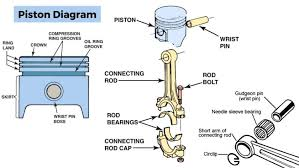
A typical piston contains several important parts:
- Piston crown
- Ring grooves
- Piston skirt
- Pin bore
Each section must withstand high pressure and extreme temperatures during engine operation.
Why Forged Pistons Are Preferred
Forging compresses the metal structure, eliminating internal air pockets that may appear in casting. This results in improved durability and structural integrity.
High-performance manufacturers such as Toyota Motor Corporation and BMW often rely on forged engine components for racing or performance models.
Key Advantages of forging piston Technology
Forged pistons offer several performance advantages that make them attractive to buyers and engine manufacturers.
Superior Strength
The forging process increases metal density and aligns grain flow with the piston’s shape. This structural improvement significantly enhances strength and resistance to cracking.
Better Heat Resistance
Engines generate extremely high temperatures. Forged pistons handle thermal expansion more effectively than cast pistons, making them ideal for turbocharged or high-compression engines.
Longer Service Life
Because forged pistons resist fatigue and wear, they typically last longer under heavy load conditions. This reduces maintenance costs for businesses that operate fleets or industrial equipment.
Materials Used in Forging Pistons
Material selection is essential for balancing strength, durability, and cost.
4032 Aluminum Alloy
This alloy is commonly used for performance street engines because it offers:
- Good wear resistance
- Lower thermal expansion
- Quiet engine operation
2618 Aluminum Alloy
This material is widely used in motorsports and high-power engines, including racing environments such as Formula One.
Benefits include:
- Extremely high strength
- Excellent resistance to extreme temperatures
- Greater durability under heavy loads
The Forging Manufacturing Process
Producing a forged piston requires multiple precision manufacturing steps.
1. Raw Material Preparation
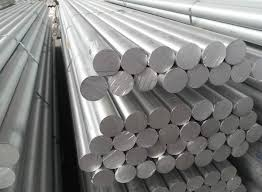
High-quality aluminum alloy billets are selected and cut into appropriate sizes for forging.
2. Hot Forging
The billet is heated and compressed in a forging press using specialized dies that shape the piston.
This step:
- Removes internal voids
- Aligns grain structure
- Improves mechanical strength
3. Heat Treatment
After forging, pistons undergo heat treatment to enhance their hardness and fatigue resistance.
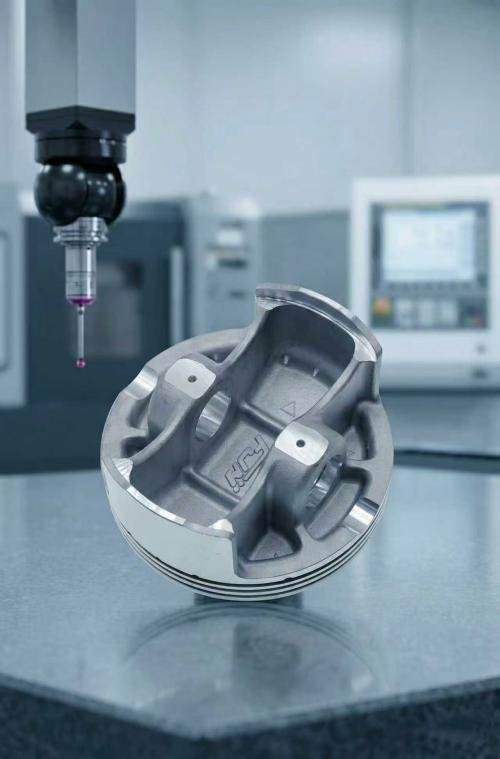
4. CNC Precision Machining
Precision machining ensures tight tolerances for:
- Ring grooves
- Pin bores
- Piston skirt dimensions
Accurate machining guarantees smooth engine operation and optimal sealing.
Forged Pistons vs Cast Pistons
| Feature | Forged Pistons | Cast Pistons |
|---|---|---|
| Strength | Very high | Moderate |
| Durability | Excellent | Average |
| Cost | Higher | Lower |
| Performance | Ideal for racing | Suitable for standard engines |
For buyers supplying performance markets, forged pistons are often the preferred choice despite their higher initial cost.
Performance Benefits for High-Power Engines
Engines that produce high horsepower require stronger components to handle the additional stress.
Forged pistons are commonly used in:
- Turbocharged engines
- Racing vehicles
- Heavy-duty diesel engines
- High-performance motorcycles
Manufacturers such as Ford Motor Company use forged components in high-performance engine lines to improve reliability.
Quality Control and Testing
Reliable manufacturers conduct strict testing procedures to ensure piston quality.
Common testing methods include:
- Hardness testing
- Dimensional inspection
- Ultrasonic flaw detection
- Metallurgical analysis
These tests ensure the pistons meet international manufacturing standards such as those from the International Organization for Standardization(ISO 9001:2016).
Cost Considerations for Buyers
While forged pistons are more expensive to produce, they offer long-term value through improved durability and reduced engine failure risk.
Key cost factors include:
- Material grade
- Production volume
- Machining complexity
- Surface treatments
Bulk purchasing often reduces per-unit cost significantly.
How to Choose a Reliable Forging Piston Supplier
Business owners and procurement managers should evaluate several factors before selecting a supplier:
- Manufacturing capability
- Quality certifications
- Experience in forging technology
- CNC machining capacity
- Delivery reliability
A reputable supplier should also provide engineering support and customized solutions for specific engine designs.
Global Market Demand
The global demand for forged pistons continues to grow as performance engines become more popular.
Growth drivers include:
- Motorsport development
- Performance vehicle upgrades
- Industrial machinery demand
- Heavy-duty transportation engines
As manufacturers push for higher efficiency and power, forged components will remain essential.
Frequently Asked Questions
1. What is the main advantage of a forging piston?
The primary advantage is superior strength and durability due to the forged metal structure.
2. Are forged pistons better for turbo engines?
Yes. Forged pistons handle higher pressure and heat generated by turbocharged engines.
3. Why are forged pistons more expensive?
They require specialized forging equipment, heat treatment, and precision machining.
4. Can forged pistons improve engine performance?
Yes. They allow engines to operate safely at higher power levels.
5. What material is best for racing pistons?
2618 aluminum alloy is commonly used for extreme performance engines.
6. Are forged pistons used in standard cars?
Most standard vehicles use cast pistons, while forged pistons are typically used in performance applications.
Conclusion
For buyers and business owners seeking reliable engine components, the forging piston represents one of the most durable and high-performance solutions available. Through advanced forging processes, high-grade materials, and precision machining, forged pistons provide superior strength and thermal resistance compared to conventional cast alternatives.
 Facebook
 LinkedIn
 X
X
 WhatsApp
 Email
Email